2026 Best Track Drive Motor for Excavators?
Choosing the best Track Drive Motor for excavators in 2026 requires more than comparing torque figures.
A motor that performs well on a clean test bench may struggle in wet clay, crushed rock, or steep trench access. Field experience shows that travel performance depends on several connected parts. Hydraulic pressure, motor displacement, planetary reduction, case-drain capacity, and oil cleanliness must work together. A powerful motor cannot compensate for contaminated fluid or an incorrectly adjusted relief valve.
“Match the motor to the machine, not merely to the biggest specification,” says Steve Skinner, a recognized mobile-hydraulics specialist. This practical view deserves attention. Oversizing can increase heat, cost, and installation stress. Undersizing may cause slow travel, weak turning, and repeated seal failures.
The 2026 selection process should examine rated torque, peak pressure, speed range, mounting dimensions, and replacement-parts availability. Check the excavator’s actual operating weight, sprocket size, and working slope. A compact excavator used in landscaping needs a different solution from a 30-ton machine working in quarry conditions.
Small details matter.
Technicians should inspect the case drain, measure operating temperature, and verify hydraulic flow before condemning a failed motor. Warranty terms also reveal manufacturer confidence, although they do not replace service evidence. Some product comparisons overlook this point.
This guide will evaluate leading Track Drive Motor options through practical performance, engineering data, serviceability, and long-term operating value. The answer may not be the most expensive motor. It should be the most suitable, reliable, and supportable choice for the excavator’s real working environment.
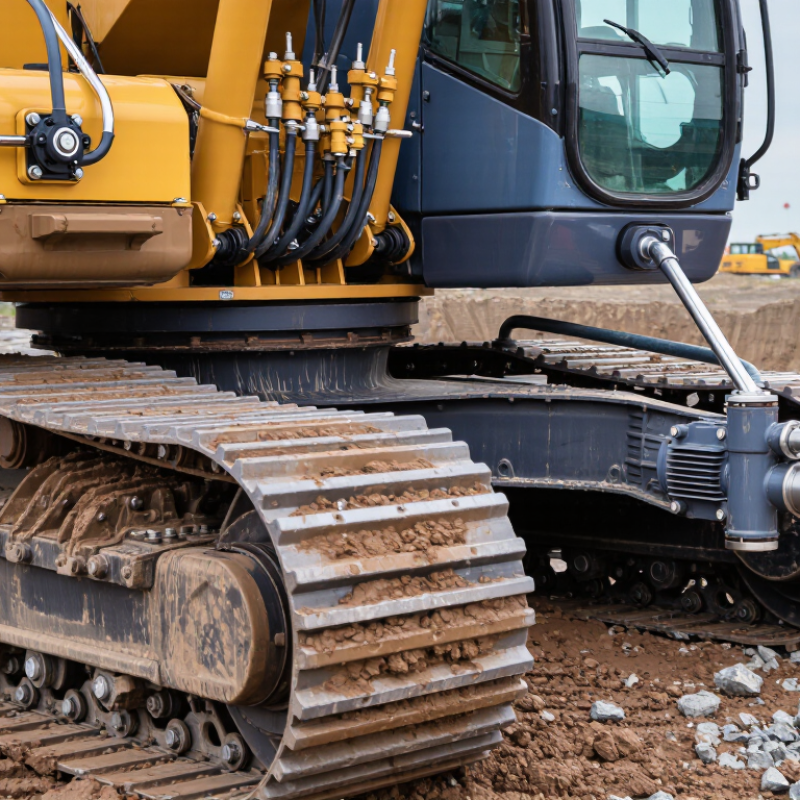
Classify Track Drive Motors by Excavator Size: 1–50 t and 15–350 kN
2026 Best Track Drive Motor for Excavators?
Choosing a track drive motor starts with excavator weight and required travel force. Field service experience shows that size alone can mislead. Soil, slope, undercarriage condition, and sprocket diameter also change performance. A practical classification uses 1–50 tonne excavators and approximately 15–350 kN of drawbar force.
For 1–3 t excavators, consider 15–35 kN systems for landscaping and light ground work.
Machines from 4–8 t commonly need 35–70 kN for mixed soil conditions.
The 9–15 t class often fits 70–120 kN motors, especially on uneven construction sites.
Excavators weighing 16–25 t may require 120–190 kN to maintain controlled travel under load.
The 26–35 t range generally suits 190–260 kN systems.
Excavators from 36–50 t may require 260–350 kN, particularly on slopes or soft ground.
These ranges are useful, not absolute. The chart is imperfect.
Check hydraulic pressure, flow, reduction ratio, braking capacity, and travel speed before purchase. A motor with high torque can still perform poorly with incorrect gearing. Measure the working pressure during actual operation, not only from a catalog. Confirm continuous and peak torque separately. Short tests matter.
A careful selection also considers heat. Frequent reversing or long climbs can overheat the drive unit. Leave a safety margin, but avoid excessive sizing. Oversized equipment may increase cost, weight, and hydraulic demand without improving productivity.
Match Torque, Speed, and Displacement to 2–8 rpm Travel Targets
2026 Best Track Drive Motor for Excavators?
Match Torque, Speed, and Displacement to 2–8 rpm Travel Targets
Selecting a track drive motor starts with the excavator’s real travel demand, not its catalog speed. A compact machine may need 8 rpm for repositioning, while a loaded crawler may require only 2 rpm. The lower speed target usually demands stronger torque at the sprocket. I have seen machines move well on flat ground but stall on wet slopes. That gap often reveals incorrect motor sizing.
Hydraulic pressure and displacement must work together. Torque rises with displacement and available pressure, while speed depends on oil flow and displacement. A high-displacement motor can deliver useful low-speed pulling force, but it may reduce travel speed when pump flow is limited. Check the final drive ratio, sprocket diameter, machine weight, and expected grade. Include rolling resistance and shock loads. Calculations are useful, but field conditions are less polite.
Tips: Test the motor at 2, 4, and 8 rpm under realistic load. Record pressure, temperature, and travel smoothness. Do not judge performance from unloaded rotation alone. Confirm continuous and peak torque separately. Leave a practical safety margin, but avoid excessive oversizing. It can create sluggish controls, extra heat, and wasted hydraulic power. A brief test may look perfect. It may still hide poor performance after an hour.
Evaluate Planetary Gears, 90–98% Efficiency, and IP67 Protection
2026 Best Track Drive Motor for Excavators?
For excavators, the best track drive motor balances torque, efficiency, sealing, and service access. Planetary gears remain a strong choice for compact construction equipment. Their multiple gear stages distribute load across several teeth. This reduces stress during digging, turning, and climbing uneven ground. A well-designed motor may achieve 90–98% efficiency under suitable operating conditions. Real performance changes with oil temperature, pressure, speed, and load. That range should never be treated as a permanent guarantee.
IP67 protection adds practical value on muddy worksites. The first rating indicates complete dust protection. The second supports temporary immersion in water up to one meter, under test conditions. It does not make careless washing harmless. From field maintenance experience, damaged connectors often create problems before the motor itself fails. Check shaft seals, hydraulic ports, cable routing, and mounting bolts during routine inspections. Small leaks become expensive when ignored.
Tips: Match displacement to machine weight and required travel speed. Confirm the reduction ratio before ordering. Inspect gear oil after the first operating period. Listen for uneven noise during turning. Keep this simple. Efficiency, sealing, and gear strength must work together, yet buyers sometimes focus only on peak torque. That is an understandable mistake.
Select 2026 Motors by Duty Cycle, Heat Load, and 10,000-h Service Goals
Choosing the best track drive motor for a 2026 excavator starts with duty cycle, not catalog size. A motor that suits light grading may struggle during continuous trenching or quarry work. Record operating hours, travel speed, ground slope, and load changes from real job sites. Short bursts matter.
For a 20-ton excavator, inspect hydraulic oil temperature during long travel cycles. Oil near the upper operating limit can reduce seal life and accelerate internal leakage. Check case-drain flow after warm-up, not only during a cold morning test. Also compare pressure requirements with the excavator’s relief settings. A motor should deliver controlled torque without forcing the system to work constantly at maximum pressure. Heat leaves clues.
A 10,000-hour service goal requires more than a strong housing. Specify clean hydraulic oil, stable filtration, suitable seals, and accessible inspection points. Review planetary gear loading, bearing capacity, and parking-brake performance under the machine’s actual weight. Service intervals should follow measured contamination and temperature trends when possible. Guesswork is expensive.
Field experience still has limits. A perfect calculation can miss shock loads from uneven rock. I would test the motor through repeated starts, slope travel, and counter-rotation before approving production use. Keep records of temperature, noise, leakage, and speed loss. Small changes often appear before failure. The 10,000-hour target is useful, but it is not a promise.


 Phone
Phone WhatsApp
 Email
Email