Top 10 Tips for Efficient PC Board Assembly Process?

The efficiency of the PC board assembly process can significantly impact overall production costs and product quality. According to a report by IPC, inefficiencies in the assembly stage can lead to a 30% increase in operational expenses. As the demand for sophisticated electronics rises, optimizing PC board assembly becomes crucial for both manufacturers and consumers.

Industry studies suggest that implementing best practices in this area can reduce assembly time by up to 20%. This improvement leads to faster market delivery, a vital factor in today’s competitive landscape. However, organizations often struggle to identify the root causes of inefficiency. A lack of proper training and outdated equipment are common pitfalls.

Addressing these issues requires deep knowledge and a commitment to continual improvement. Companies must not only invest in technology but also cultivate skilled teams. In this ever-evolving industry, staying updated on assembly trends is essential. By refining the PC board assembly process, firms can enhance product quality and remain competitive in the rapid electronics market.
Top 10 Tips for Efficient PC Board Assembly Process?

Understanding the Basics of PC Board Assembly Techniques

Understanding the basics of PC board assembly is crucial for streamlining the production process. This involves grasping essential techniques such as surface mount technology (SMT) and through-hole assembly. Both methods serve different purposes; SMT is often preferred for compact design, while through-hole is favored for heavy-duty applications. Knowing the strengths and weaknesses of each assembly technique can significantly enhance efficiency.

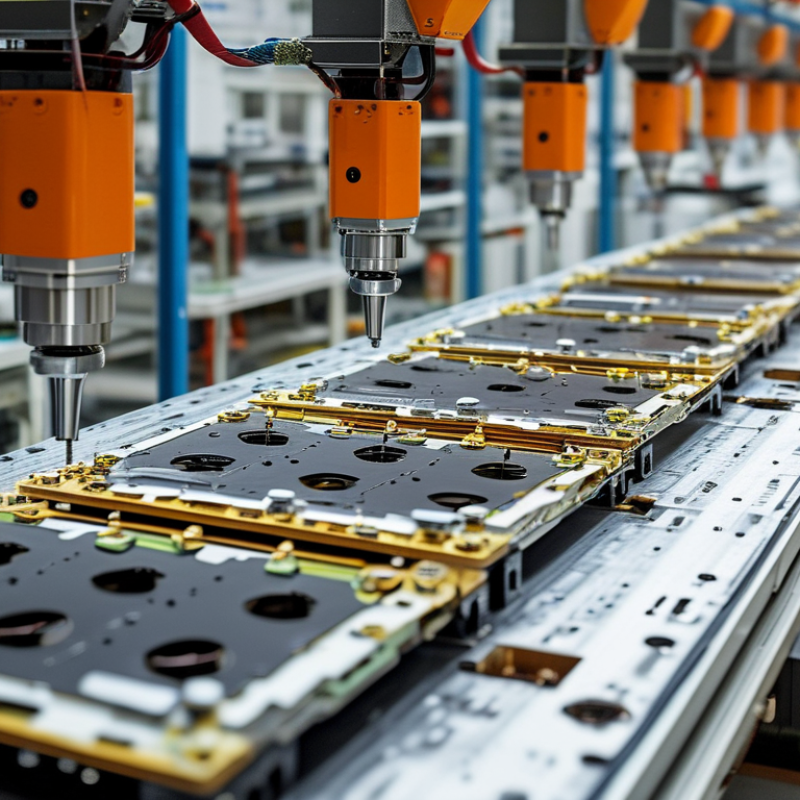
Incorporating automated assembly lines is common, yet not without challenges. Equipment calibration is vital. Improper adjustments can lead to misplacements which ultimately affect product quality. Regular checks and maintenance are necessary to ensure smooth operations. Moreover, the choice of soldering methods also impacts durability. Hot air reflow or wave soldering can yield different results depending on the board’s complexity. This requires careful evaluation of the specific project needs.

However, it is essential to acknowledge that each assembly process has limitations. Human errors are inevitable in manual assembly, while machines might not adapt to sudden changes swiftly. Experience in troubleshooting these issues helps refine processes. Continuous learning and adaptation are key to improving the overall efficiency and quality of PC board assembly.

Essential Tools and Equipment for Efficient Assembly Tasks

In any efficient PC board assembly process, the right tools and equipment play a crucial role. A hot air rework station can facilitate effective component removal and repair. Many technicians prefer soldering stations with adjustable temperature settings for precision work. Proper lighting is also essential; without adequate illumination, small components might be overlooked.

Additionally, a good set of tweezers is indispensable. The right pair allows for careful placement of tiny parts. However, many overlook this tool and end up fumbling. A vacuum pick-up tool can simplify the handling of SMD components. Often, operators find handling these parts challenging without the right equipment.

Investing in a quality multimeter also pays off. It's vital for testing connections and ensuring functionality before final assembly. Yet, some users find themselves unsure about proper usage. Regular practice can significantly improve confidence. Moreover, having an organized workspace reduces errors. Clutter can easily lead to misplaced components or mixed-up tools. Emphasizing organization enhances efficiency in the long run.

Step-by-Step Process of Soldering and Component Placement

In the realm of PC board assembly, placement and soldering are crucial steps. Start by ensuring that your workspace is organized. This allows you to access tools and components without delay. It’s common for beginners to misplace small parts, causing frustration and setbacks. Having a designated area for each component can speed things up.

When it comes to soldering, precision matters. Use the right tips and temperatures to avoid overheating components. A steady hand helps. Many new assemblers struggle with consistent solder joints. Take your time to practice on scrap boards. It’s better to spend extra time initially than to redo a poorly soldered joint later. Pay attention to the flow of solder; it should bead nicely without excess splatter.

Incorporating reflow ovens can enhance the process, but they require technical know-how. Ensure you are familiar with the machine's settings; improper use can lead to damaged boards. Document any issues you encounter for future reference. This habit encourages improvement and knowledge sharing. Assembly is a skill refined over time, and every assembly teaches something valuable.

Quality Control Measures During PC Board Assembly

Quality control during PC board assembly is crucial for ensuring product reliability. Effective measures start with a thorough inspection of components before assembly. This helps identify any defects early. Visual inspections can catch physical issues, while automated testing can quickly detect electrical faults.

Incorporating a multi-stage testing process enhances quality. Functionality tests should occur at various points, not just at the end. This method helps catch issues sooner. However, even the best systems can miss problems, leading to wasted resources and time. Regular audits of the assembly process can reveal inconsistencies that might slip through gaps.

Another vital aspect is staff training. Skilled workers are less likely to overlook critical details. Training programs must be ongoing, adapting to new technologies and methods. Mistakes will still happen. Emphasizing a culture of feedback can help teams learn from errors and improve efficiency over time.

Top 10 Tips for Efficient PC Board Assembly Process

Common Challenges and Solutions in PC Board Manufacturing

In the realm of PC board manufacturing, various challenges can impede efficiency. One significant issue is the complexity of the assembly process. Research indicates that over 30% of production delays stem from assembly errors. Implementing rigorous quality control measures can drastically reduce these missteps. Regular training sessions for assembly staff can also enhance their skills, allowing for more precision in their work.

Another challenge is the sourcing of materials. Supply chain disruptions have been noted to impact 70% of manufacturers globally, leading to delays and increased costs. Prioritizing relationships with multiple suppliers can mitigate this risk, ensuring a steady flow of necessary components. Additionally, embracing just-in-time inventory methodologies can help keep costs down while maintaining quality.

Maintaining a streamlined assembly process is crucial. Teams should focus on continuous improvement methodologies. Integrating lean manufacturing principles can help create a more efficient workflow. Small adjustments, such as reconfiguring workstations for better ergonomics, can significantly enhance productivity. Encouraging open communication among team members fosters a culture of innovation and problem-solving. This not only addresses challenges head-on but also empowers employees to contribute to ongoing improvements.

Top 10 Tips for Efficient PC Board Assembly Process

Tip Number Tip Description Common Challenges Suggested Solutions
1 Utilize Automated Assembly Equipment High setup costs Invest in robotic assembly tools; consider cost-benefit analysis.
2 Optimize Component Placement Misalignment or placement errors Use accurate placement machines; implement vision systems.
3 Regular Maintenance of Equipment Downtime due to equipment failure Schedule routine maintenance checks and create a maintenance database.
4 Training Personnel Inconsistent quality due to lack of knowledge Implement regular training sessions; certify staff on the latest technologies.
5 Implement Quality Control Checks Defective products reaching customers Establish multiple QC checkpoints throughout the process.
6 Use Design for Manufacturability (DFM) Difficulties in manufacturing complex designs Engage engineers early; simplify designs where possible.
7 Select Appropriate Materials Material incompatibility issues Conduct thorough material testing; keep a material database.
8 Streamline Supply Chain Management Delays in component delivery Develop strong relationships with suppliers; utilize inventory management systems.
9 Conduct Failure Mode and Effects Analysis (FMEA) Potential late discovery of design flaws Incorporate FMEA in the design phase to identify risks early.
10 Utilize Lean Manufacturing Principles Waste and inefficiencies in the assembly process Implement lean strategies to minimize waste and maximize productivity.